
May Newsletter

Bee Walk - 2 pm Friday 8th May at
Waltham Place Farm, White Waltham

A gentle walk around the garden with local bee enthusiast, Trevor Smith, who will inspire you as you stop to look at some of the amazing different types of bees visiting the flowers, besides just the honeybees. The afternoon will help create awareness of just how important bees are and how we can encourage and support them in our own gardens.
Venue:
Waltham Place Farm
Church Hill, White Waltham
Berkshire
SL6 3JH
£5 per person - Booking is essential as places are limited
Check out all the workshops & activities on offer at 'What's On' at Waltham Place, including the following event as part of the Gather & Grow Maidenhead collaboration http://www.walthamplace.com
What To Do In The Garden In May

May is an extremely busy, high-growth month but as always, the key to enjoying your garden is taking those quiet moments to watch the insects, smell the flowers and enjoy the abundance May brings. Our unusually warm days have been a delight as we can get out in the garden more than usual but with very little rain, watering pots and shallow rooted plants is a vital task if they are going to thrive. Warmer days can mean we can get caried away with planting out early but it also means that we have clear night skies leading to a risk of frost, so keeping an eye on the weather forecast and using some frost protection, such as horticultural fleece, would be very wise.
Other tasks to enjoy are:
Sowing & Planting: Sow hardy annuals directly, such as sunflowers and calendula. Plant out tender crops like tomatoes, cucumbers, and peppers, but only after mid-month once the risk of frost has largely passed.
Vegetables to Sow/Plant: Direct sow carrots, beetroot, spinach, lettuce, peas, and radish. Start French beans, runner beans, and courgettes.
Flowers & Shrubs: Trim lavender and prune early-flowering shrubs. Support tall perennials like delphiniums. Pinch out the shoot tips of bedding plants and young annuals, such as fuchsias, to encourage bushier growth.

Lawns: You could try No Mow May and see how that affects biodiversity in your garden. If you do want to mow now is the time to do it weekly, but keep the blade height high to avoid stress.
Pest Control: Watch for aphids, lily beetles, and viburnum beetle larvae, and start treating blackspot on roses.
Maintenance: Hoe, weed, and apply mulch to retain moisture.
Climbers: Tie in the new shoots of climbing plants, including wisteria and clematis to their supports.
Cuttings: Now is a good time to take cuttings of woody herbs such as hyssop, rosemary and thyme and root in pots of gritty compost. You can also take cuttings of dahlias, pelargoniums and fuchsias.
May is here with a variety of seasonal fruit & vegetables in abundance, including asparagus, broad beans, baby beetroot, broccoli, Jersey Royal potatoes, lettuce, peas, radishes, rocket, spinach, spring greens, spring onions, herbs galore, rhubarb and gooseberries, early-season artichokes, cucumbers and tomatoes.
It's Asparagus Season!

Asparagus is a classic May vegetable, known for its tender spears.
Key Health Benefits of Asparagus:
High Nutrient Profile: Asparagus is packed with folate, fibre, and vitamins A, C, and K, which are essential for immune function, blood clotting, and skin health.
Heart Health: Asparagus may help lower blood pressure due to its high potassium content and a compound that acts as a natural diuretic, reducing excess salt and fluid. It may also aid in reducing cholesterol levels.
Digestive Wellness: It contains inulin, a type of prebiotic soluble fibre that feeds good bacteria in the gut, promoting healthy digestion.
Prenatal Health: A rich source of folate (vitamin B9), it is highly recommended during pregnancy to support foetal development.
Rich in Antioxidants: Asparagus contains high levels of glutathione, flavonoids, and polyphenols (like quercetin and rutin), which fight oxidative stress and reduce the risk of chronic diseases.
Weight Management: Being very low in calories and high in water and fibre, it promotes satiety.
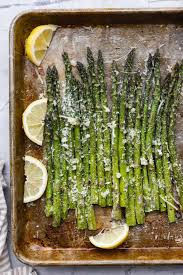
It’s a truly versatile vegetable, with plenty of star of the show and simple side recipes to choose from. A few highlights include:
Roasted Parmesan Asparagus: Toss trimmed asparagus with olive oil, salt, pepper, and minced garlic on a baking sheet. Roast at 180 degrees until tender (10-15 min), then top with grated Parmesan and lemon zest, sesame seeds, or red pepper flakes.
10-Minute Sautéed Asparagus: Melt butter or oil in a pan over medium-high heat. Add asparagus, salt, and pepper. Sauté for 5 minutes until tender-crisp. Finish with fresh lemon juice and minced garlic.
Garlicky Sautéed with Sesame: Sauté asparagus with garlic, then stir in toasted sesame seeds and a drizzle of sesame oil just before serving.
Blanched with Lemon: Boil asparagus for 1–2 minutes, then immediately place in ice water to maintain a bright green color and crunch. Toss with olive oil, lemon zest, and parmesan.
BBQ Foil Parcels: Place asparagus on foil, drizzle with olive oil and garlic, and seal. Grill over indirect heat for 5-7 minutes for a smoky, steamed option.
STEAM : Simply steam for 3 minutes til tender and serve with butter and seasoning
Quick Preparation Tips:
Snap the ends: Easily remove the woody bottom by snapping off the bottom inch.
Dry completely: Patting the spears dry after washing ensures they roast or sear rather than steam.
Pairings: Serve with eggs, salmon, or chicken for a complete meal.


Comments